50+ Camera Angles for AI Prompts: Shot Types Guide
🔥 This guide will change the way you generate AI images forever.
Ever wondered why some AI-generated images look cinematic and breathtaking, while others look like a flat screenshot? The secret isn’t the tool — it’s the camera angle you write in your prompt.
Every Hollywood director knows that choosing the right angle can turn an ordinary scene into an iconic, unforgettable moment. And in 2026, the AI image generation tools are more powerful than ever:
- 🎨 Google ImageFX (Nano Banana) — Google’s free AI image generator powered by Imagen 3, producing stunning photorealistic results
- 🤖 ChatGPT (DALL-E 3) — Create cinematic images directly in conversation with incredible prompt understanding
- 🖼️ Midjourney — The industry standard for artistic, high-quality AI imagery
🎬 But it doesn’t stop at images! The same camera angles you’ll learn here are the secret weapon for AI video generation too. Platforms like Google VEO 3, KLING 3, and SeedAnce 2 — the best AI video generators in 2026 — all respond to camera angle prompts. Master these angles once, and you’ll create stunning images AND cinematic AI videos that look like they came from a Hollywood studio.
The problem? Most people type vague prompts like “a warrior in a forest” and wonder why the result looks boring. The moment you add a specific camera angle — like “low angle close-up” — everything transforms. The same subject becomes epic, dramatic, and cinematic.
In this comprehensive guide, you’ll master 50+ camera angles and shot types — with clear explanations, psychological impact breakdowns, and tips on how to use each one in your AI prompts. Whether you’re using Google ImageFX, ChatGPT, Midjourney, or any other tool — these angles work everywhere.
Why Camera Angles Matter in AI Art
When writing a prompt for an AI tool, specifying the camera angle is the first decision that shapes the geometric perspective and emotional distance of the entire image.
- Without specifying an angle: You get a flat, boring image with a random perspective
- With a specific angle: You get a cinematic image full of depth and emotion
💡 The Golden Prompt Formula:
[Camera Angle + Shot Size] + [Subject] + [Action & Context] + [Lighting & Mood] + [Lens Specs]This order mirrors how a professional cinematographer works on set.
For a full breakdown of how this formula adapts across Midjourney, Stable Diffusion, ChatGPT, and Flux, see the camera angle prompt syntax guide. If you’re generating characters across multiple angles and struggling to keep the same face, see how to maintain character consistency across camera angles.
Part 1: Shot Sizes
Shot size determines the emotional distance between the viewer and the subject. The closer the camera, the greater the emotional involvement.
1. Extreme Wide Shot (EWS)
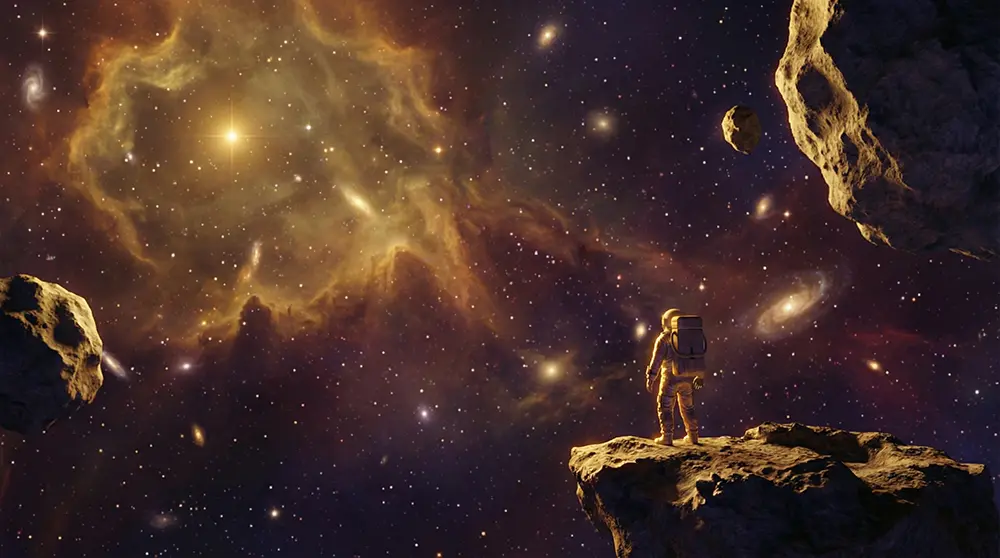
Shows the subject as a tiny figure within a vast environment. Psychologically used to convey feelings of isolation, insignificance, and the smallness of humans against overwhelming forces of nature or a sprawling cityscape. The ideal opening shot for any epic sequence.
2. Wide Shot (WS)
Frames the subject from head to toe with significant environmental context. Places the viewer as an objective observer who can read the spatial relationship between the character and their surroundings. Also known as a Long Shot.
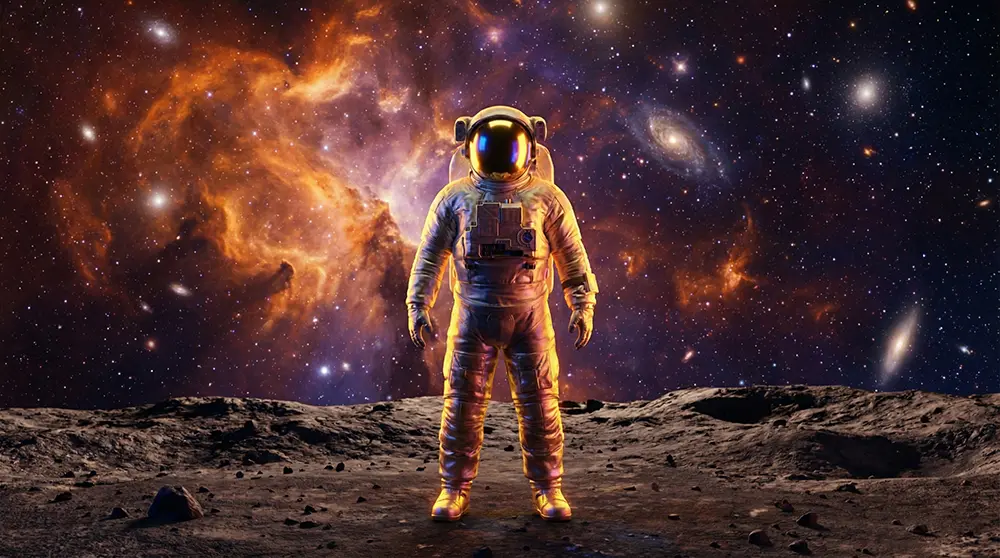
3. Full Shot (FS)
The subject fills nearly the entire vertical frame. Attention shifts to full body language and physical performance rather than facial expressions. A dynamic shot for action sequences and physical performances.
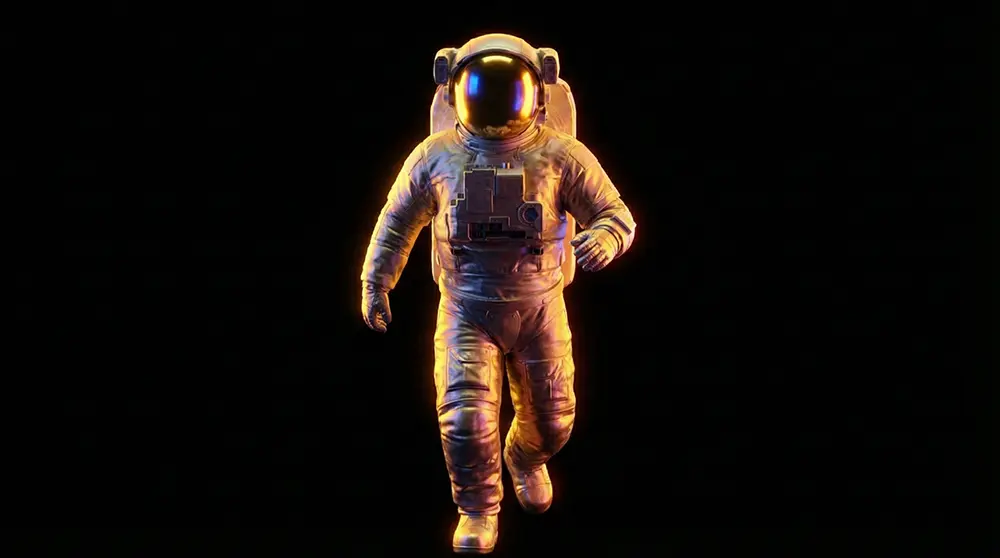
4. Medium Long Shot (MLS)
Frames the subject from roughly the knees up, offering a balanced compromise between physical performance details and early facial expression reads. Maintains sufficient spatial awareness.
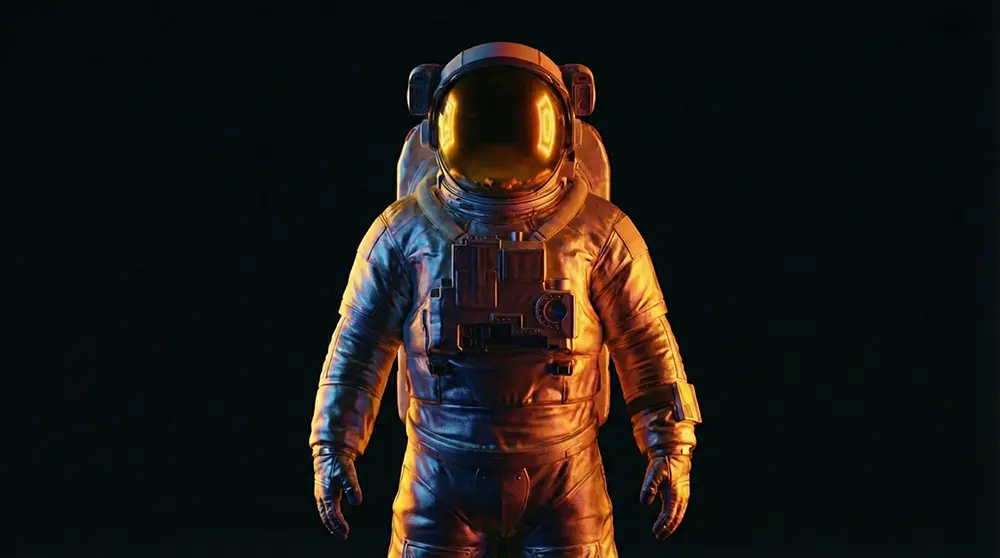
5. Cowboy Shot
Frames the subject from mid-thigh up. Born from Western films to showcase holstered weapons. Psychologically, it’s the strongest visual symbol of absolute confidence and combat readiness. Also known as the American Shot.
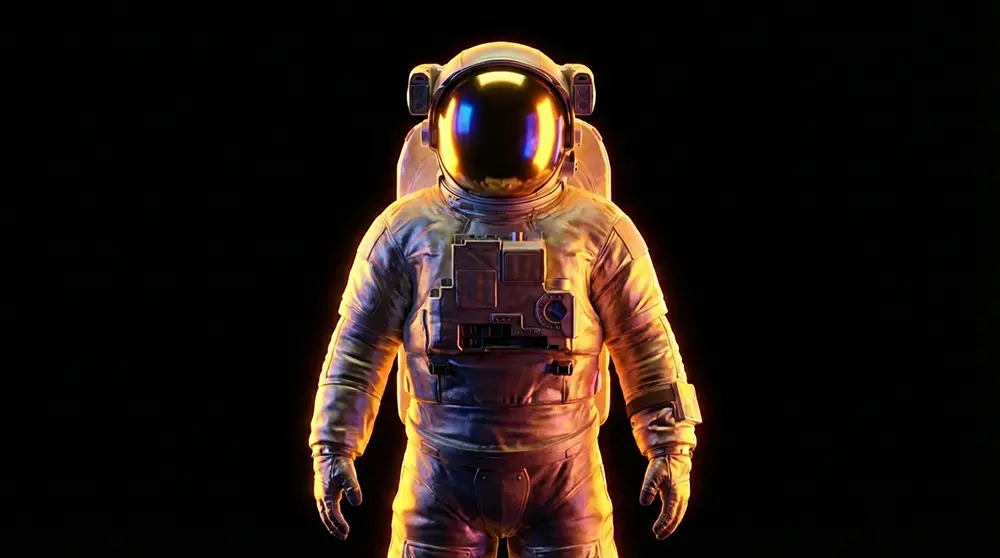
6. Medium Shot (MS)
Frames the subject from the waist up. Mimics the natural social distance between people in conversation, creating a sense of neutrality and familiarity. The go-to choice for dialogue scenes and information exchanges.
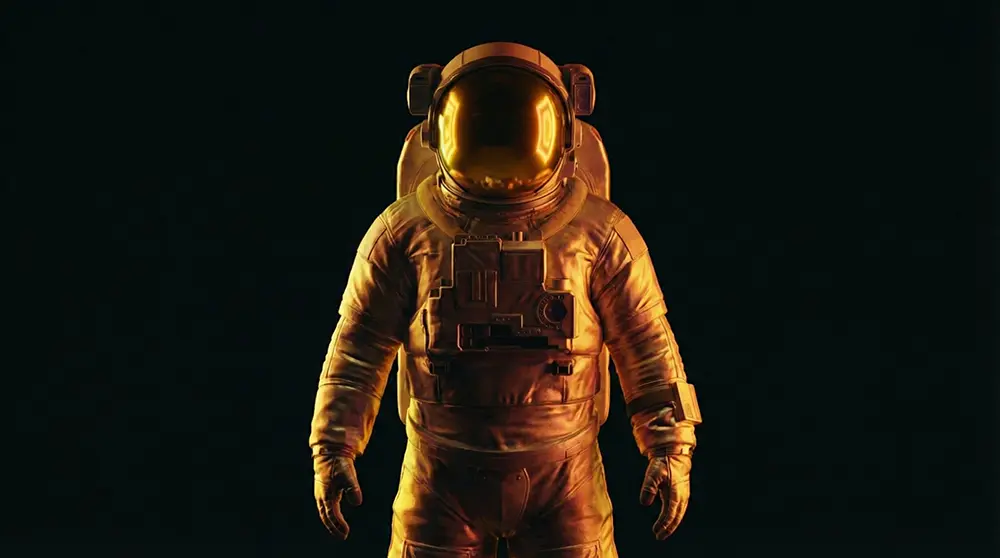
7. Medium Close-Up (MCU)
Focuses on the chest, shoulders, and face. Eliminates background distractions and prepares the viewer for emotional cues. The transitional stage between neutrality and full emotional engagement.
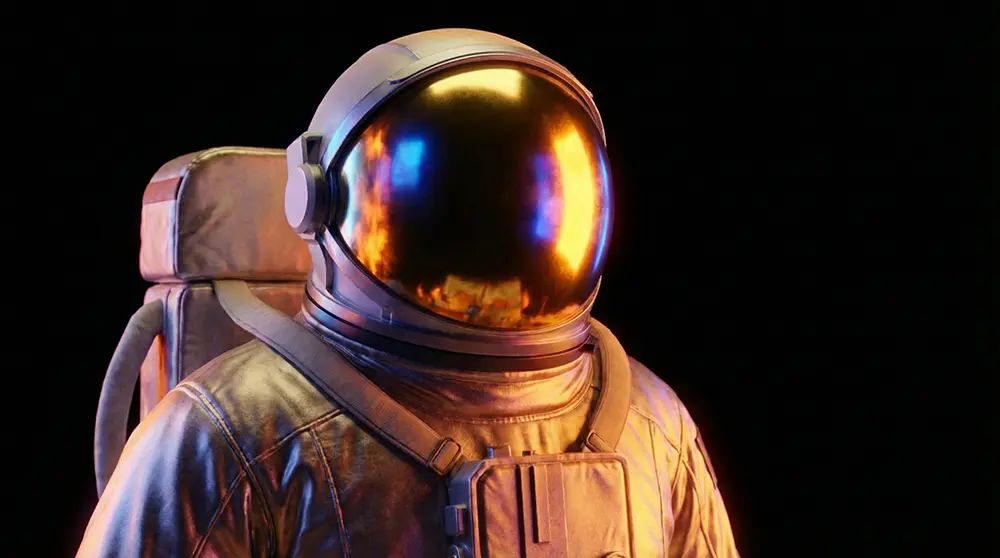
8. Close-Up (CU)
The frame is entirely filled with the subject’s face. Eliminates emotional distance and forces the viewer into an intensely personal space. Studies show it activates the amygdala and triggers direct empathy.
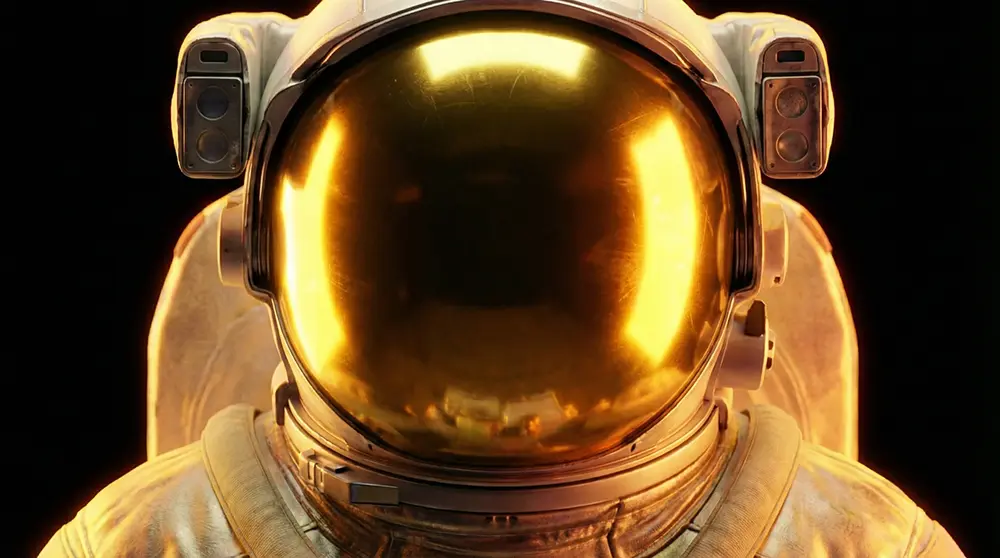
9. Choker Shot
Crops the face from above the eyebrows to below the mouth. Creates an intense sense of entrapment and psychological tension similar to claustrophobia. Perfect for peak emotional moments and psychological breakdowns.
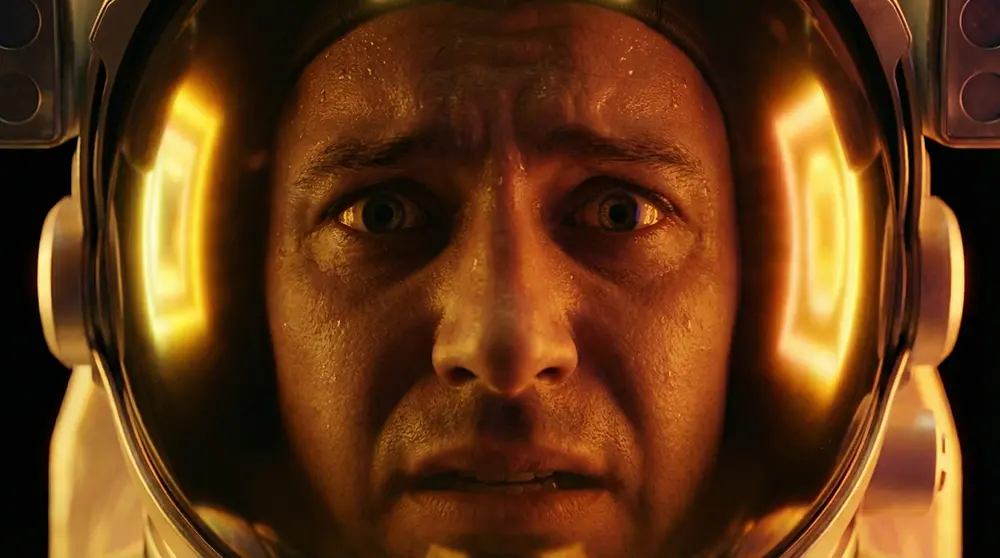
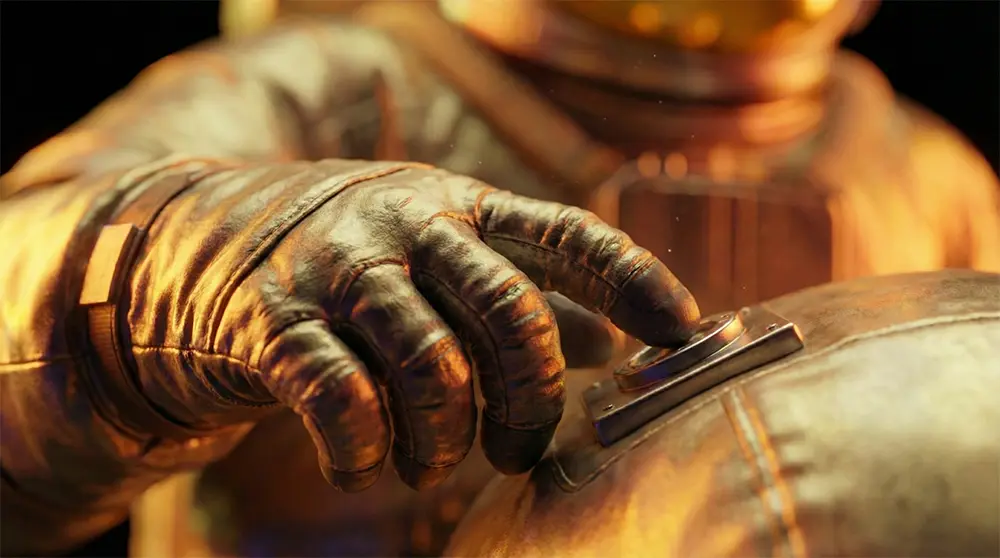
10. Extreme Close-Up (ECU)
Isolates a minute detail such as pupil movement, lip trembling, or fingers touching a surface. Transforms a small detail into a massive narrative event that dominates the entire scene.
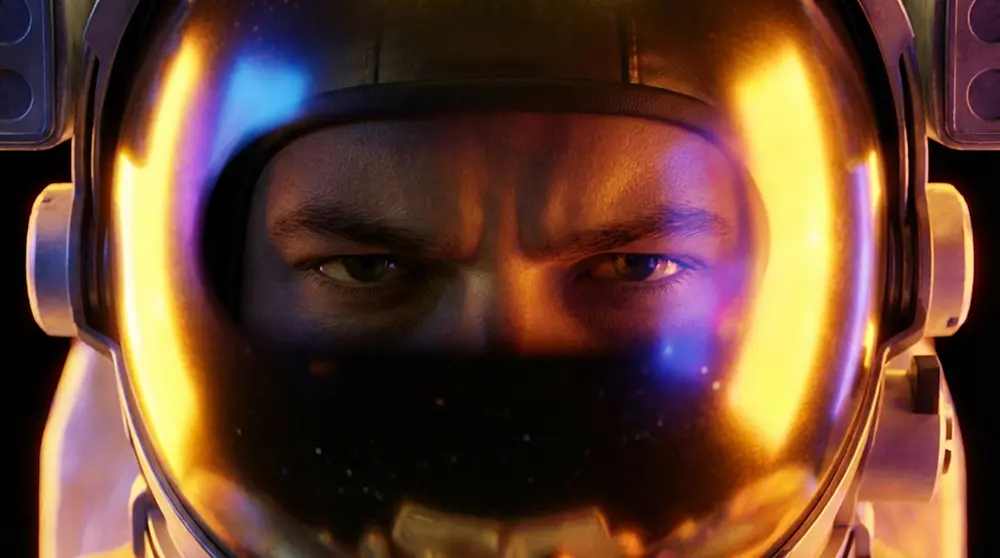
11. Italian Shot
An iconic shot associated with director Sergio Leone. Focuses exclusively on the characters’ eyes during decisive confrontations. Extracts the silent intentions of the soul and intensifies suspense to its psychological limits.
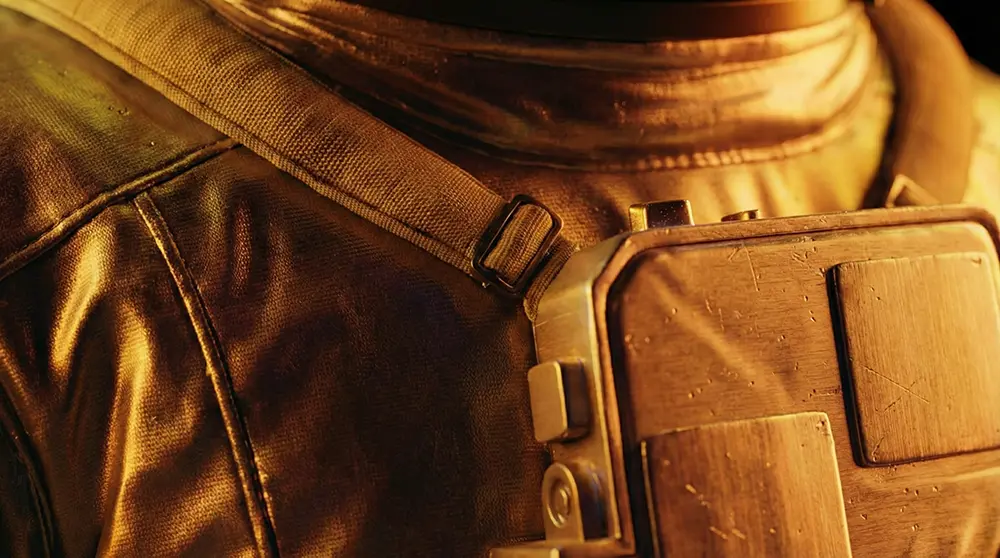
12. Macro Shot
Photographs tiny objects at a frame-filling scale. Reveals textures and worlds invisible to the naked eye — like the details of a mechanical watch or dewdrops on a leaf. Creates a sense of discovery and surrealism.
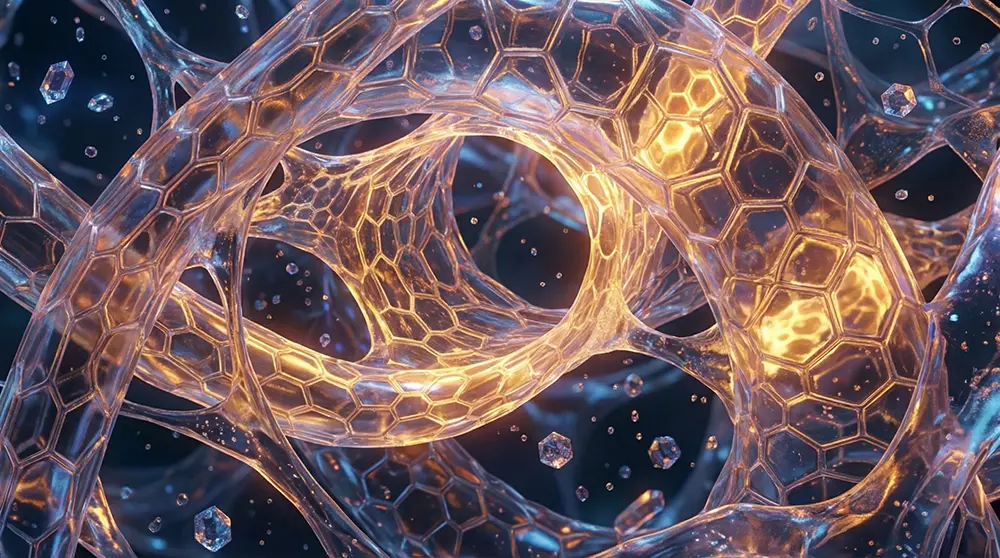
13. Microscopic View
Goes beyond macro into the cellular scale. Makes the viewer feel they’re diving into the deep structure of materials. Used to generate stunning abstract images and sci-fi worlds.
Part 2: Vertical Camera Angles
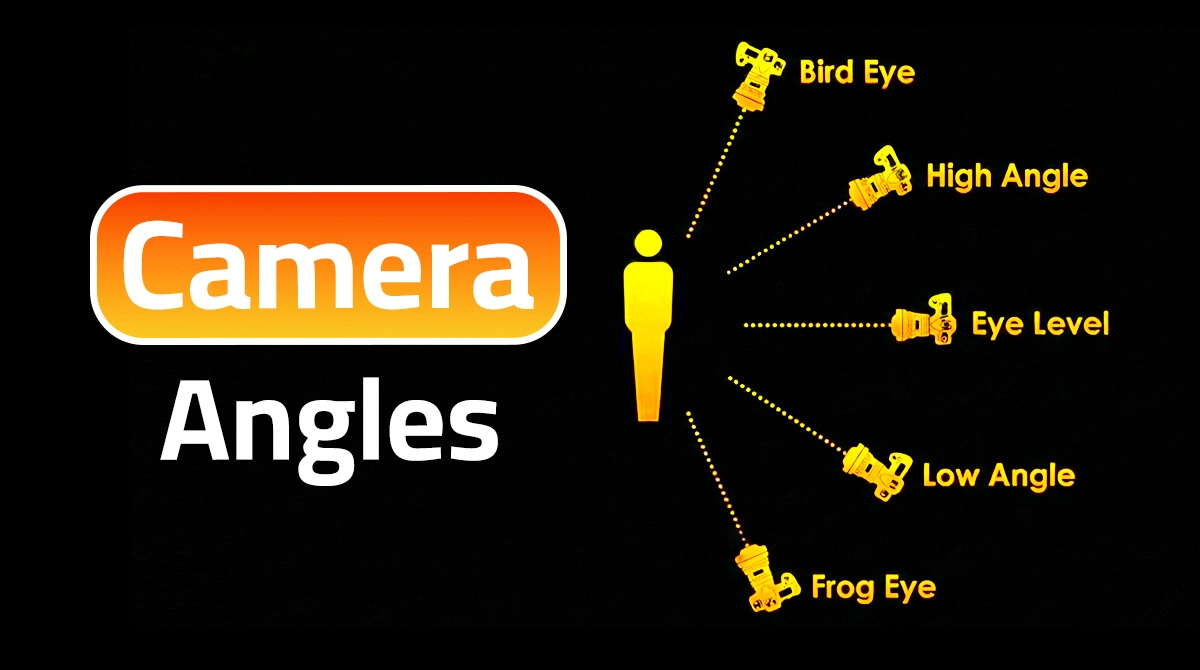
If shot size determines “emotional distance,” then vertical angle determines the power balance and dominance. This effect is rooted in deep evolutionary instincts — height = authority, low = submission.
14. Low Angle Shot
Camera below the subject’s eye line looking upward. Amplifies physical dimensions and imposes a feeling of dominance, power, and superiority. The classic tool for creating visual authority in cinema.
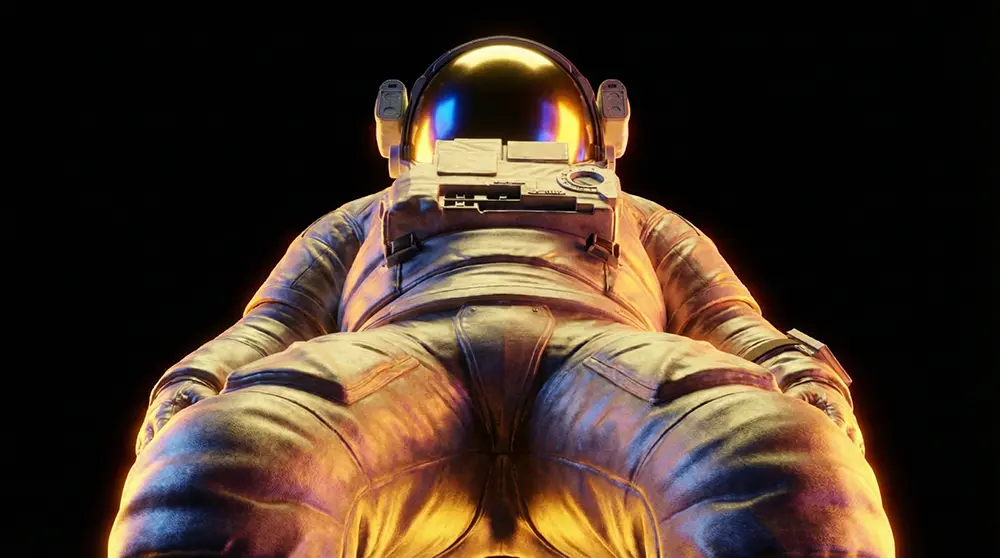
💡 Real-world example: This is the exact angle MrBeast’s team uses for thumbnail photography — a slight low-angle close-up that makes the creator look powerful and larger-than-life. Combined with the right font styling, it’s the core of the most-clicked thumbnails on YouTube. See the full breakdown in our MrBeast Thumbnail Font guide.
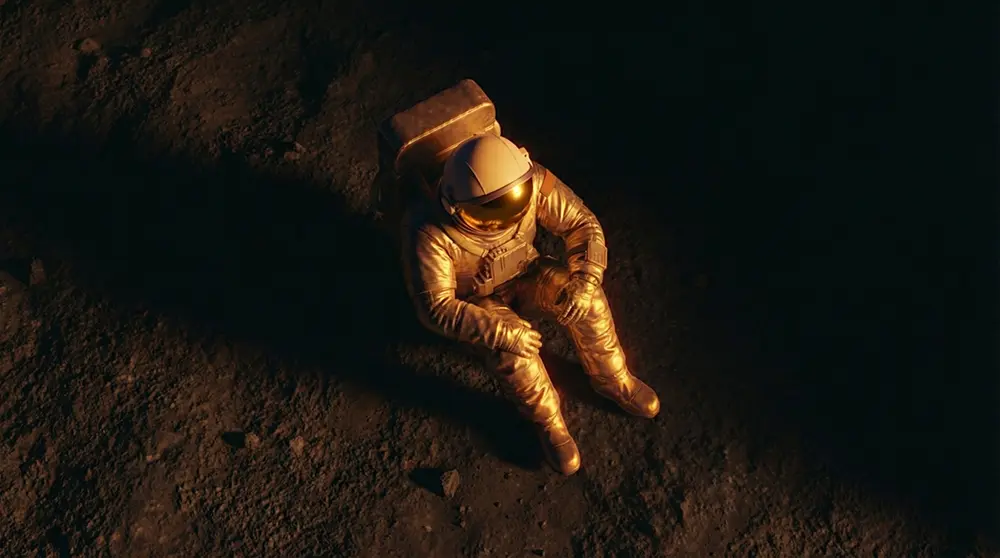
15. High Angle Shot
Camera positioned high looking downward. Makes the subject appear small, fragile, and defeated. Gives the viewer a sense of superiority and reinforces feelings of sympathy toward the subject.
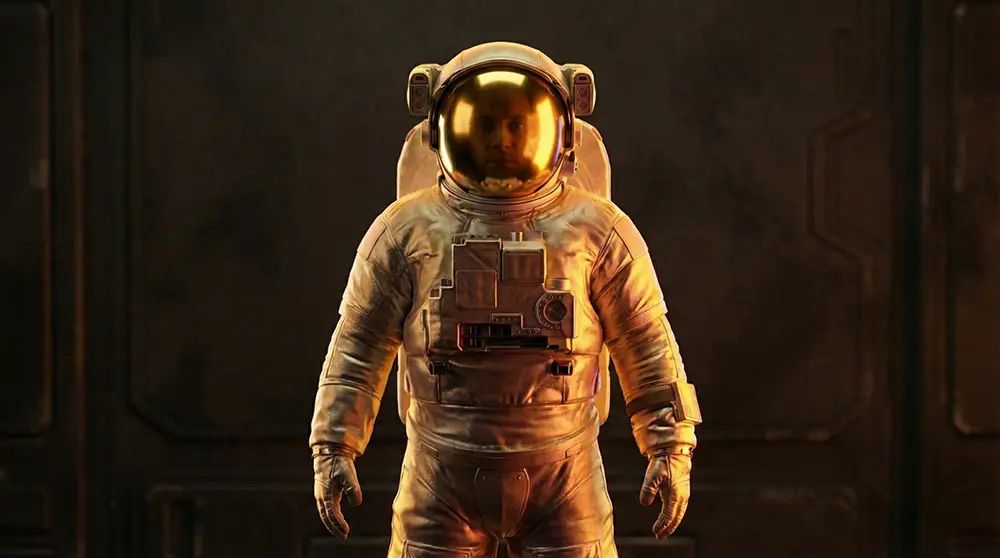
16. Eye-Level Shot
Camera at the same line of sight as the subject. Eliminates all implications of authority or inferiority. Most effective at generating a sense of trust, credibility, and objectivity. Reflects the natural way humans see each other.
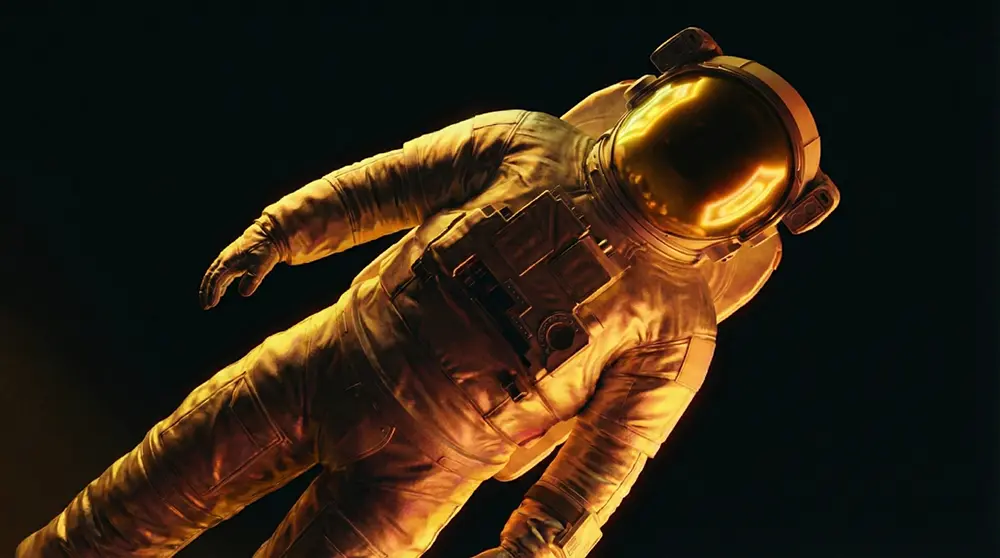
17. Dutch Angle
Tilting the camera’s horizontal axis. Emerged during German Expressionism to express distorted worlds. Creates an immediate sense of cognitive dissonance and unease — used to evoke tension, hallucination, or moral corruption. Also known as the Canted Angle.
18. Worm’s-Eye View
An extreme low angle from ground level looking vertically upward. Gives subjects a mythological scale that exceeds human proportions. Overwhelms the viewer with feelings of helplessness and absolute awe. Ideal for giant robots and towering buildings.
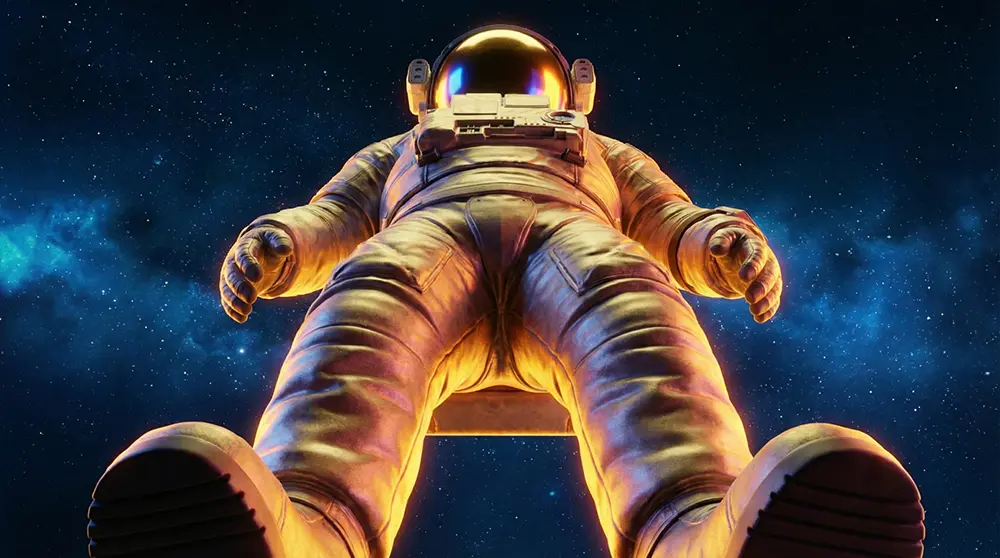
19. Bird’s-Eye View
An overhead shot looking sharply downward. Strips characters of their individuality, reducing them to geometric elements within a larger pattern. Implies total surveillance, fatalism, and metaphysical isolation.
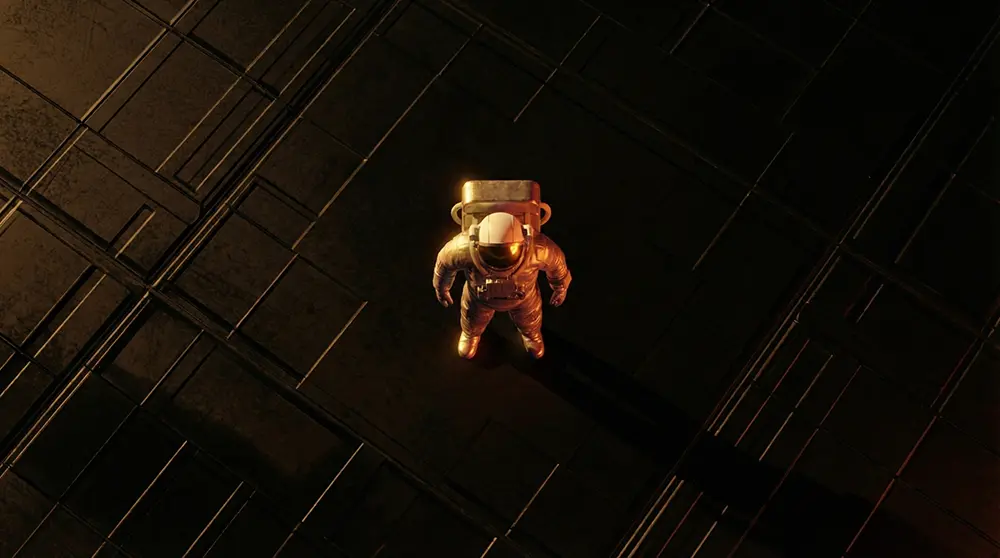
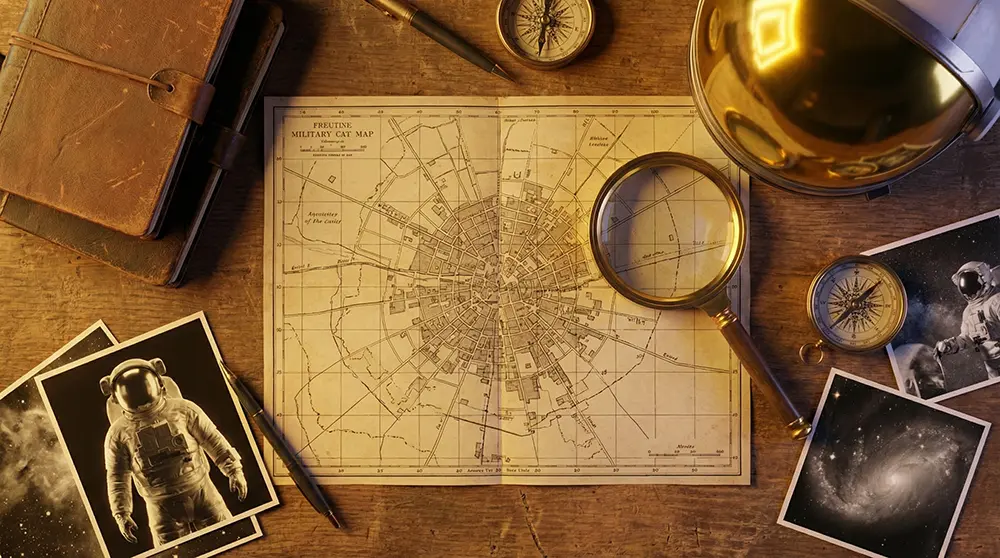
20. Overhead Shot (Top-Down)
A flat shot at exactly 90 degrees. Used to reveal the arrangement of objects on a surface — a detective’s table, a crime scene, or a military map. Gives the viewer a comprehensive, unbiased overview.
⏱ Still writing prompts manually?
You've learned 20 angles. Writing a prompt for each one from scratch takes ~8 minutes per angle.
The Cheat Sheet cuts that to 15 seconds - copy, paste, generate. Each prompt includes the exact lens, f-stop, and lighting direction. No guessing.
Save the time - get the Cheat Sheet for $4.99 →Part 3: Camera Height Levels
Beyond the angle, the camera’s height relative to body parts produces subtle psychological cues that deepen the image.
21. Ground-Level Shot
Camera resting at ground level parallel to the surface. Connects the viewer to an unfamiliar spatial plane, suggesting pursuit and cautious anticipation, or the perspective of small creatures facing a massive world.
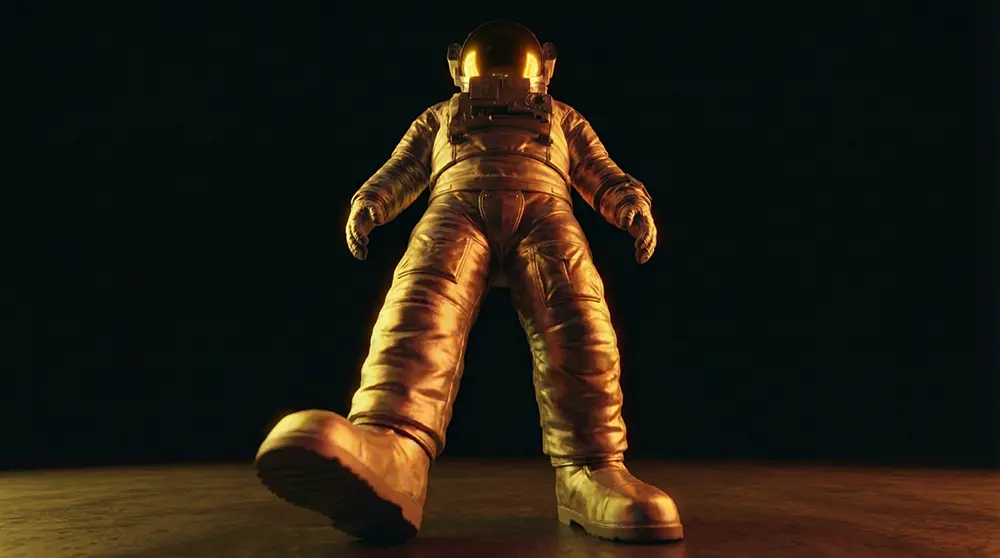
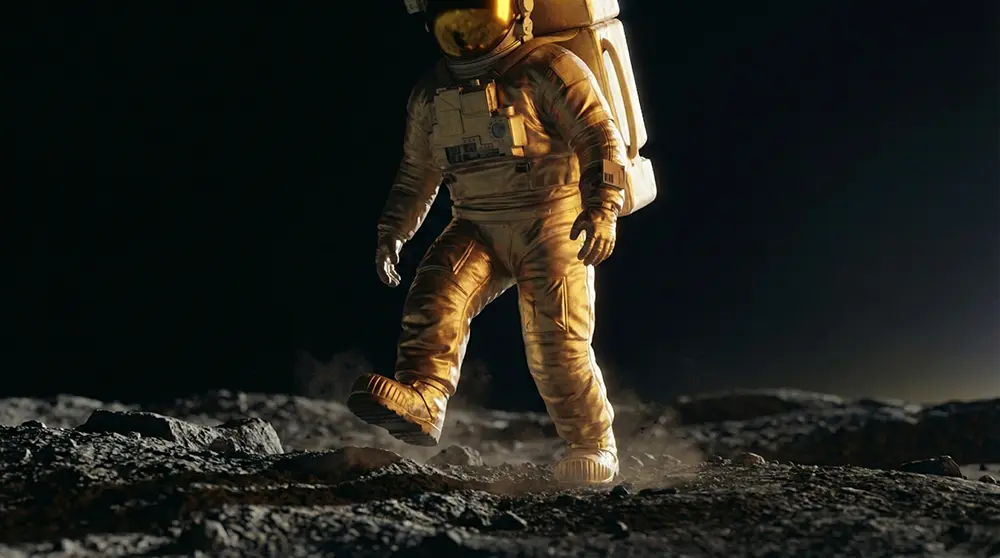
22. Knee-Level Shot
Camera at knee height. Elevates the importance of footsteps and movement paths. Creates a dynamic feeling of stealth and cautious advance toward danger, especially with a slight upward tilt.
23. Hip-Level Shot
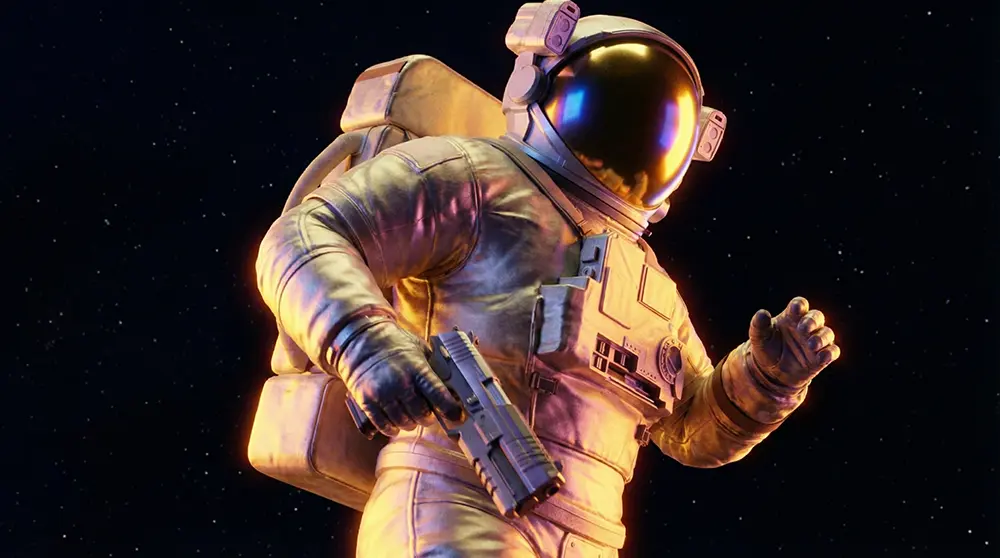
Camera at hip level. Highlights hand movements and dynamic actions like drawing weapons. Gives the scene kinetic energy without distorting the lower angles.
24. Shoulder-Level Shot
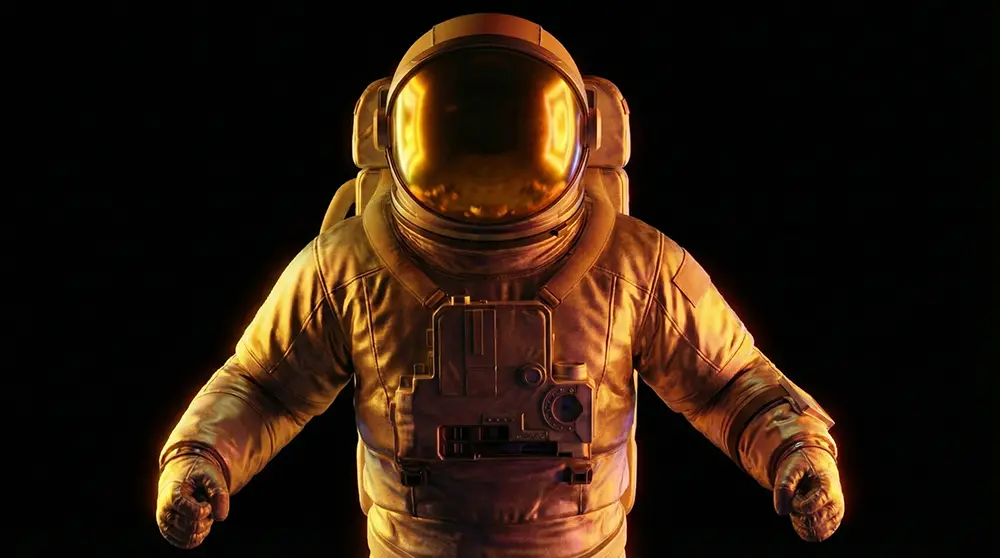
Shooting parallel to the subject’s shoulder level. Captures physical confrontation with neutrality, giving the character a sense of physical strength and simple solidity. Ideal for pre-battle scenes.
25. Aerial Shot
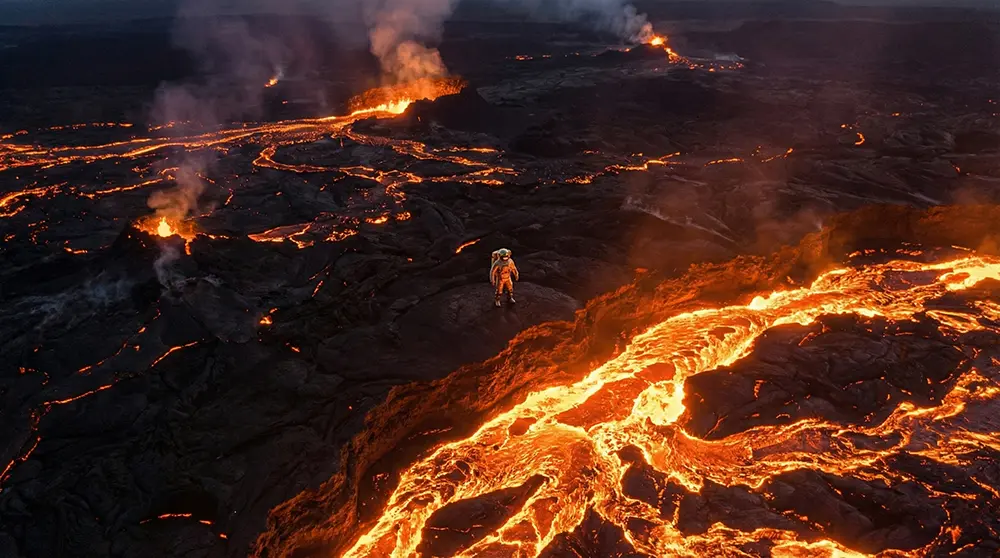
Captured from a great height (drone or helicopter). Establishes the vast geographic scope and shows how small individuals are relative to their world. Also known as the Drone Shot.
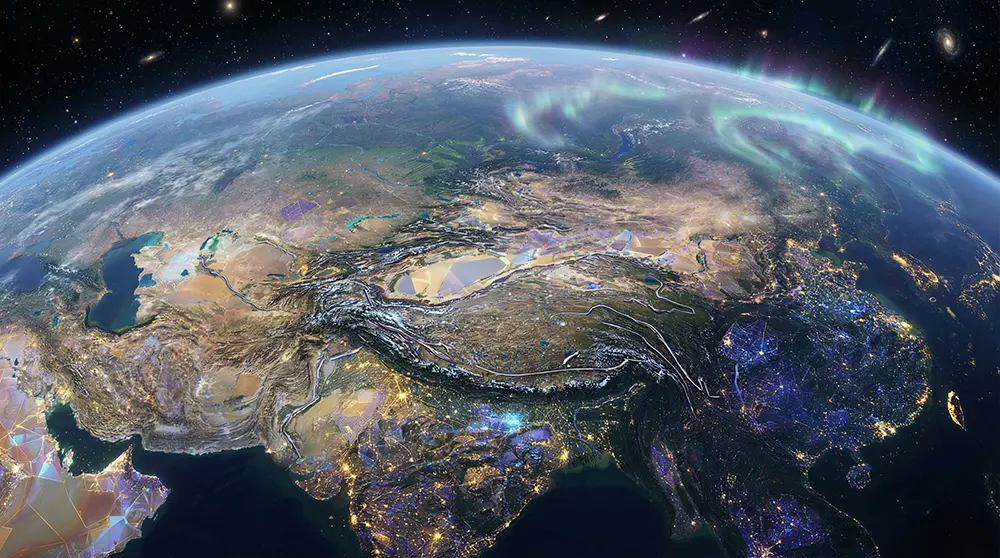
26. Satellite View
A shot from outer space. Transforms terrain into geometric patterns, conveying a sense of cosmic existence and the triviality of earthly events. A massive abstraction of geography.
Part 4: Specialized Perspectives
Specialized visual techniques designed to break the barriers between the image and the viewer, pulling them into the scene.
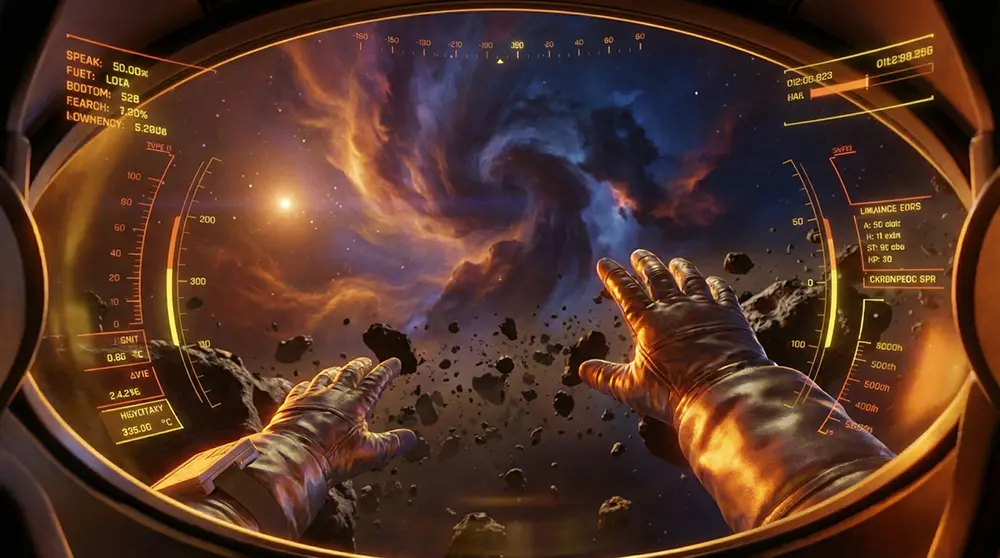
27. Point-of-View Shot (POV)
The camera literally adopts one character’s vision. Eliminates the camera as a third party and forces full psychological involvement on the viewer. A key tool in horror and thriller films for amplifying empathy.
28. Over-the-Shoulder Shot (OTS)
Captures the scene from behind one character’s shoulder to focus on the other. An indispensable tool for building dialogue and establishing the spatial relationship between speakers. Places the viewer as a silent participant in the conversation.
.jpg)
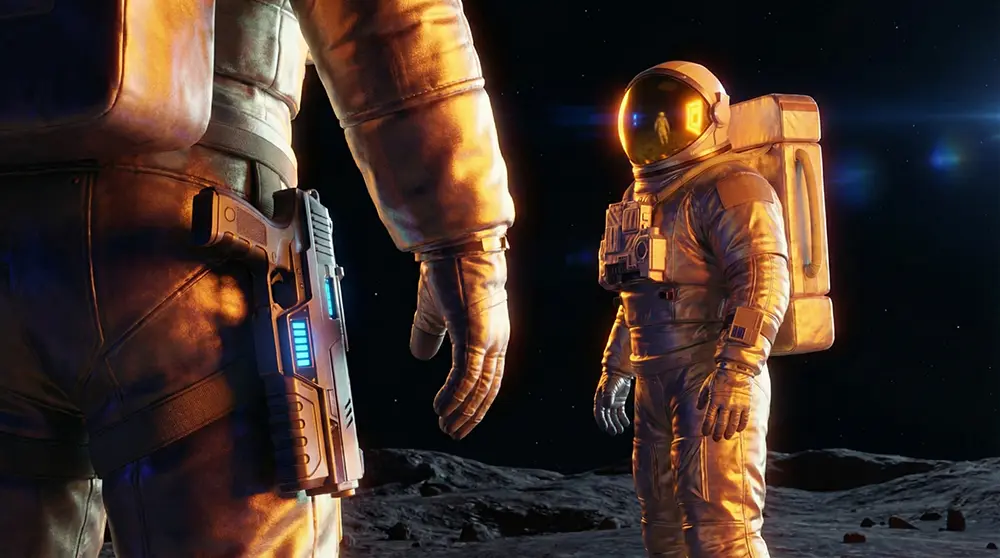
29. Over-the-Hip Shot
Shooting from behind a character’s hip toward another. A dynamic angle for armed confrontations that provides a sense of combat readiness — especially when a holstered weapon is visible.
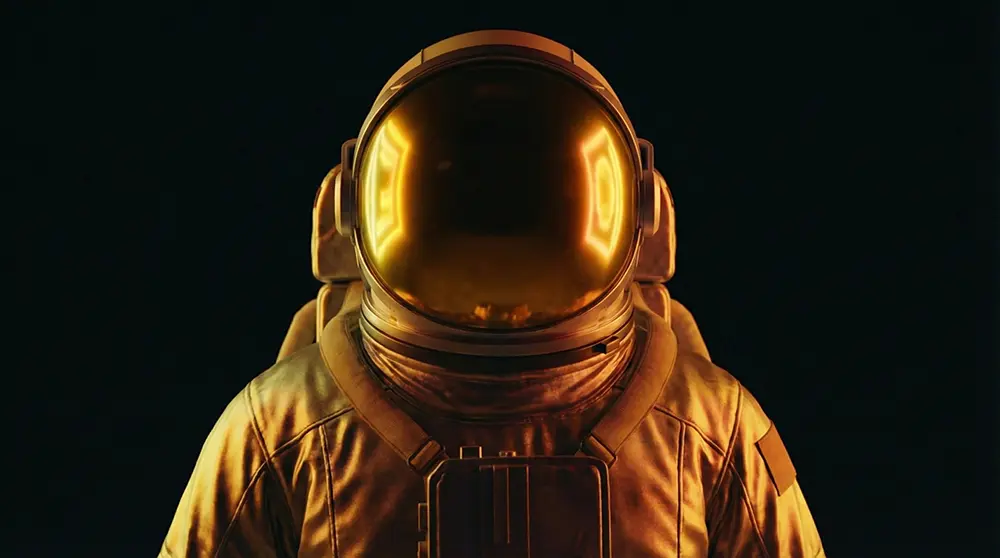
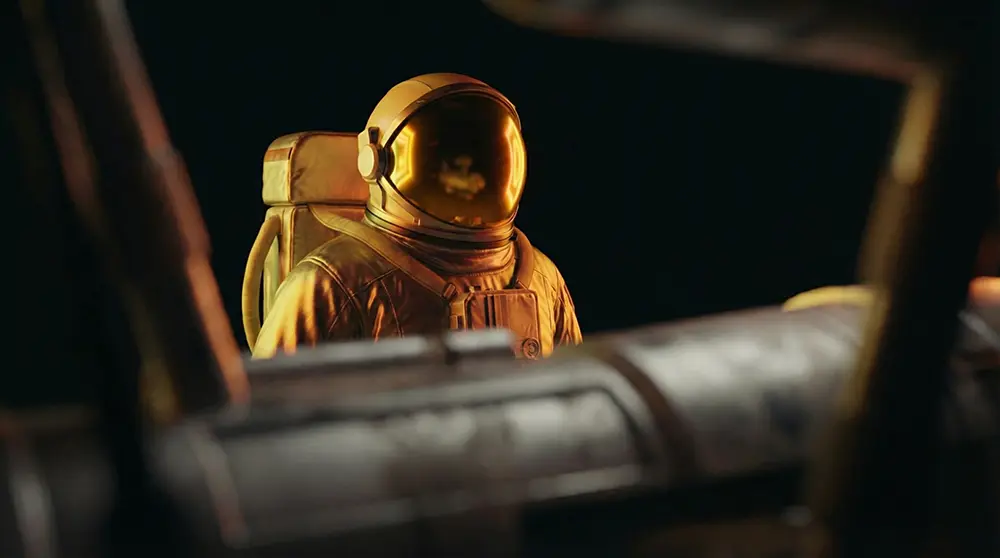
30. Single Shot (Clean Single)
Only one character in the frame. Emphasizes the character’s independence and individual state. Isolates them from the rest of the world to focus complete attention on their psychological condition.
31. Dirty Single Shot
A shot of one character with a blurred part of another person or object in the foreground. Creates a feeling of surveillance and intrusion into personal space. Frequently used in spy and psychological thriller films.
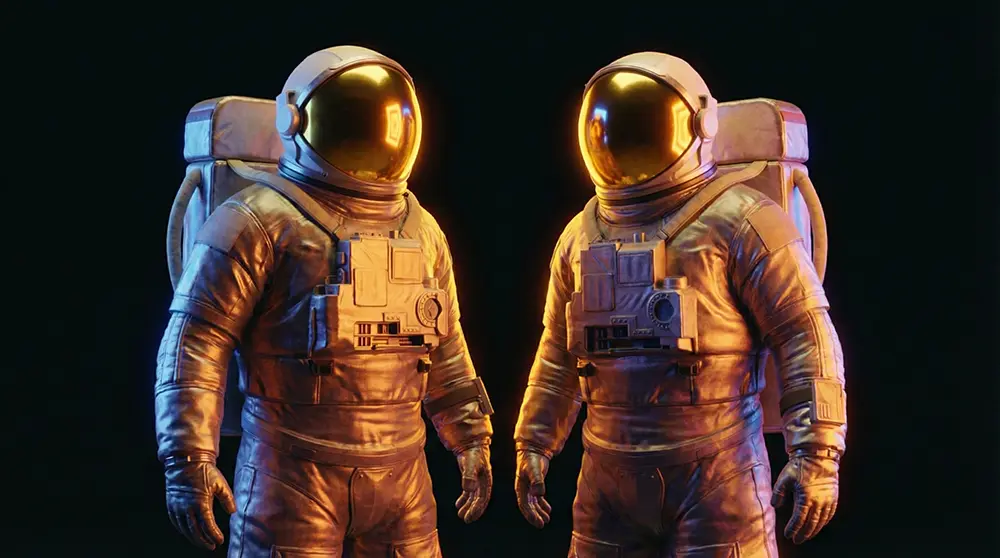
32. Two-Shot
Frames two characters in the same shot. A powerful visual tool for showing their emotional relationship — is it harmony or conflict? The distance between them tells its own story.
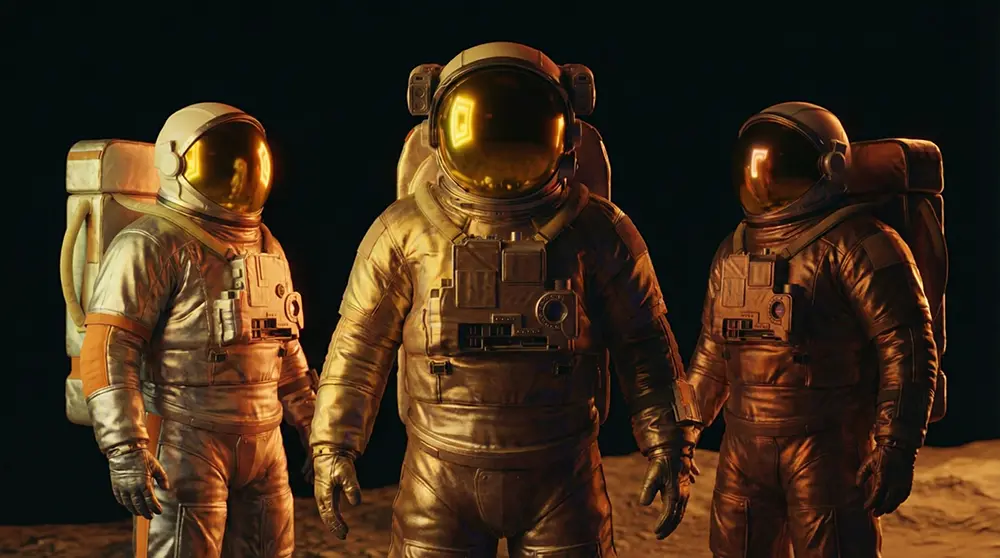
33. Three-Shot
Frames three characters. Highlights group dynamics and reveals alliances or imbalances between individuals. Who stands in the center? Who remains on the margins?
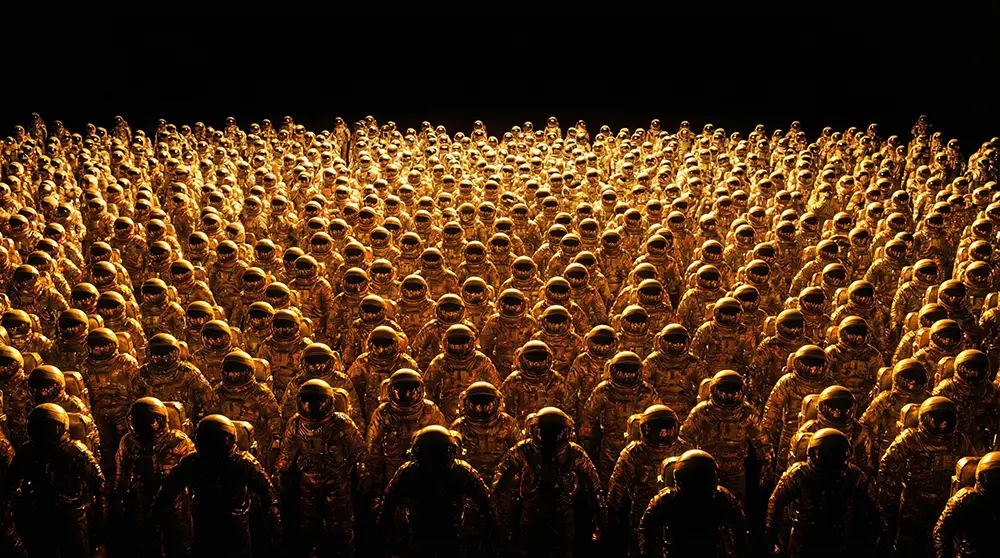
34. Crowd Shot
Photographs a large group or crowd. Dissolves individuality into the collective mass. Used to show collective direction, chaos, or the overwhelming power of masses.
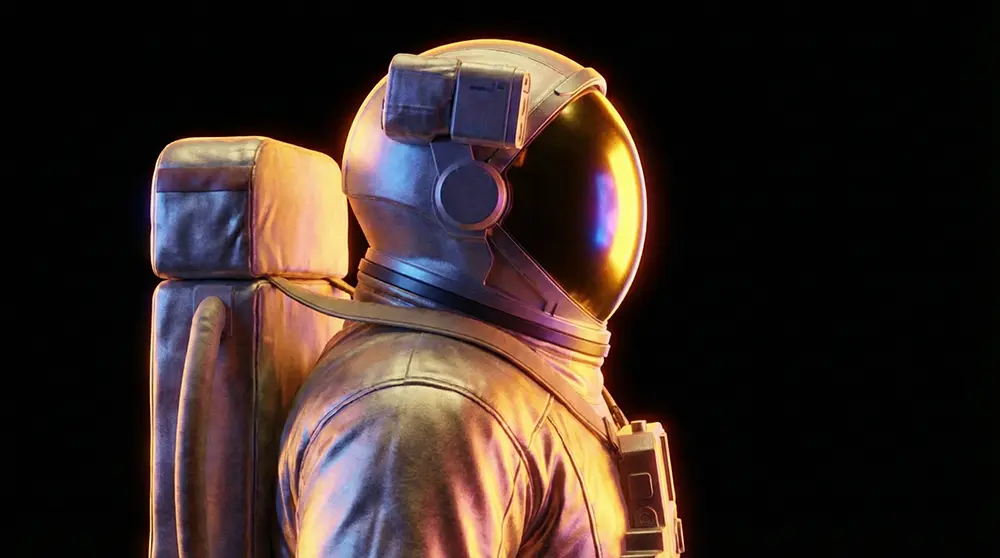
35. Profile Shot
Side framing at a 90-degree angle. Eliminates direct eye contact, creating a feeling of emotional detachment and internal contemplation or abstract observation.
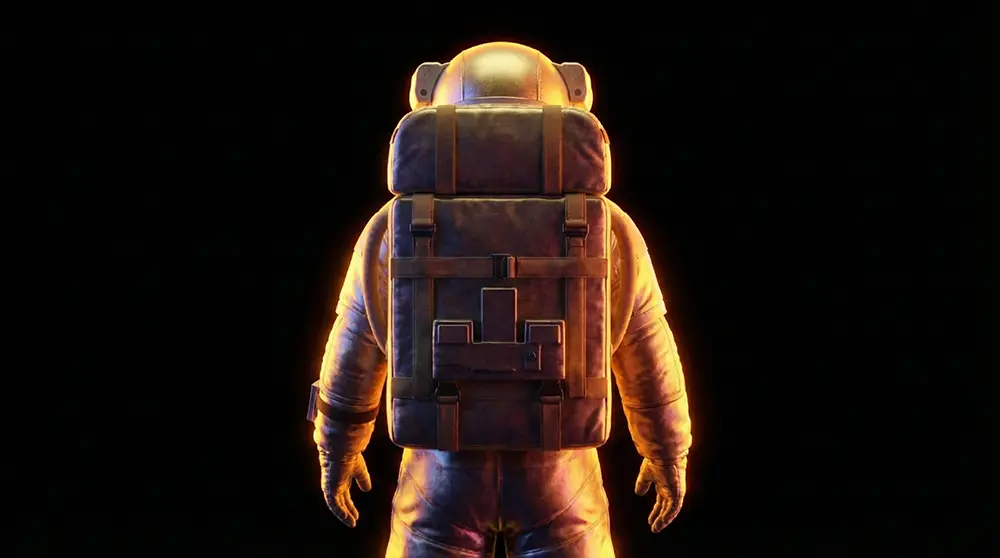
36. Rear View Shot
Seeing the character from behind. Creates mystery and drives the viewer to follow the character’s unknown path. Implies departure and facing destiny — like a hero walking toward an unknown gateway of light.
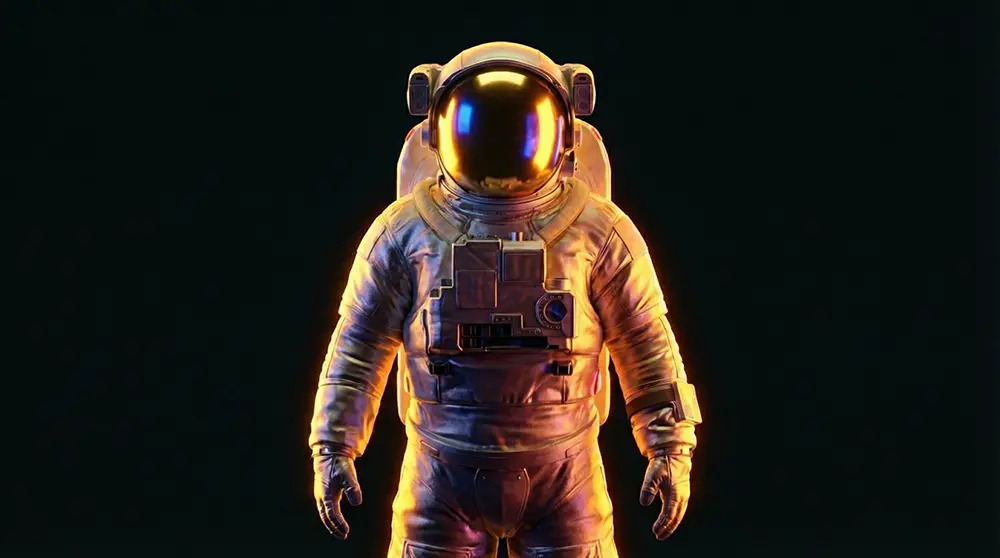
37. Front View / Symmetrical Shot
Perfectly symmetrical front-facing shot. The signature of director Wes Anderson. Creates a precise, theatrical order that is pleasing to the eye and evokes calm or light comedy.
Part 5: Advanced Visual Techniques
Advanced visual techniques devised by master directors to break traditional rules and create unique visual experiences.
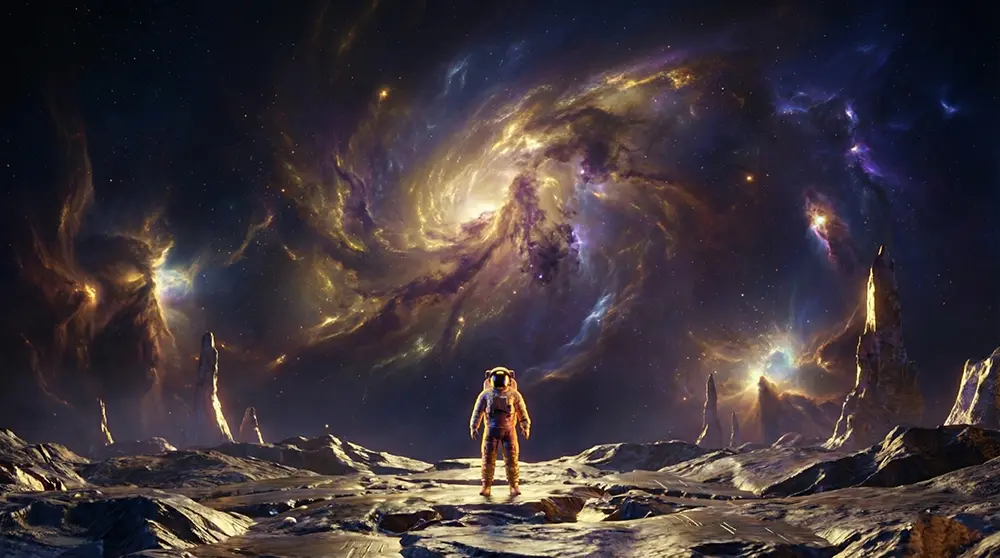
38. Establishing Shot
A wide shot placed at the beginning of a scene. Prepares the viewer’s mind for the geographic location, time period, and overall mood before diving into story details. Like a Gothic castle atop a mountain at midnight.
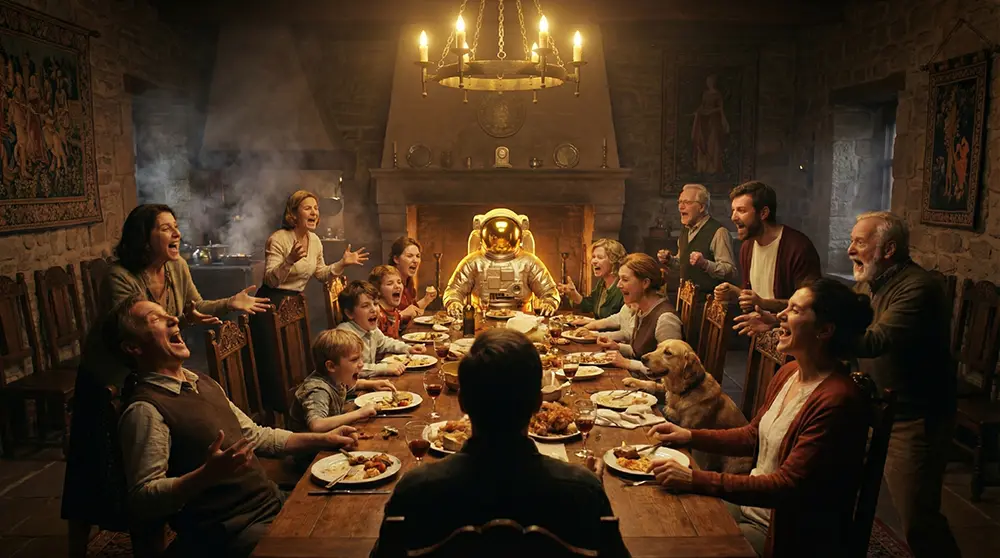
39. Master Shot
A continuous wide shot covering the entire event and characters in one location. Maintains the viewer’s awareness of spatial geography and conveys theatrical stability — like a chaotic family dinner scene.
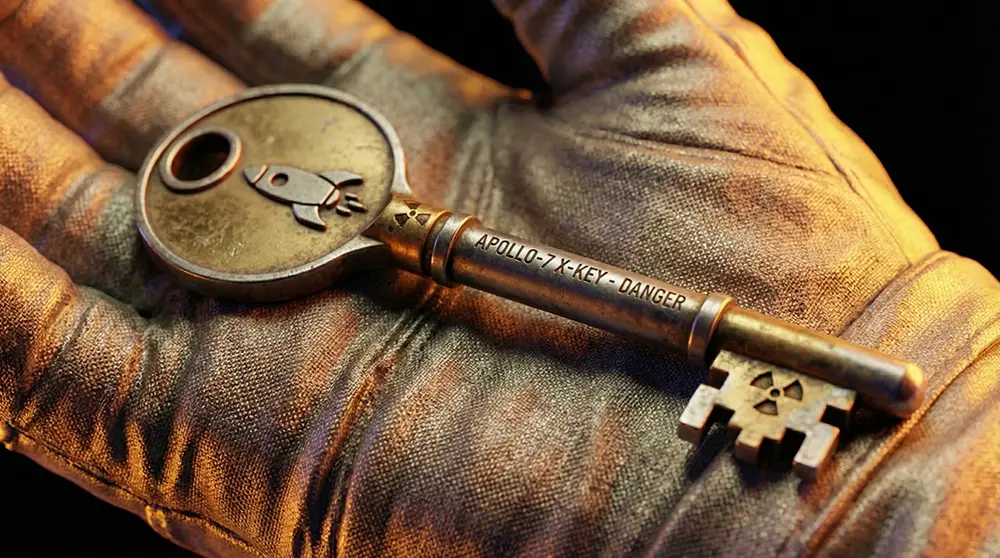
40. Insert Shot (Cut-in)
A close-up of a static object (a letter, a key, a watch). Immediately draws the viewer’s attention to a prop that will drive the plot or carry a dangerous secret meaning. One of the most powerful visual storytelling tools.
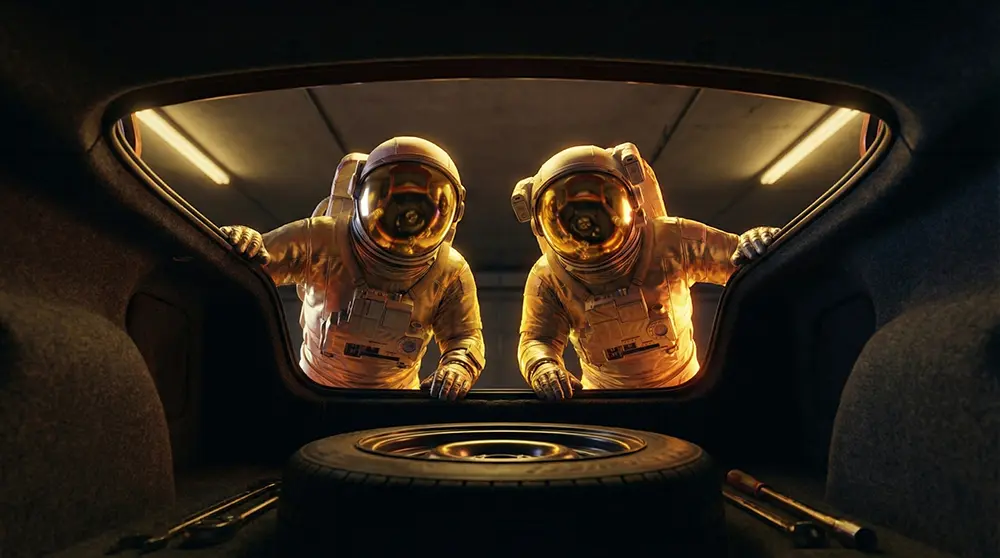
41. Trunk Shot
Camera inside a closed trunk looking upward at characters. The signature move of director Quentin Tarantino. Forces the viewer to adopt the role of a trapped victim — a heavy sense of defeat and submission.
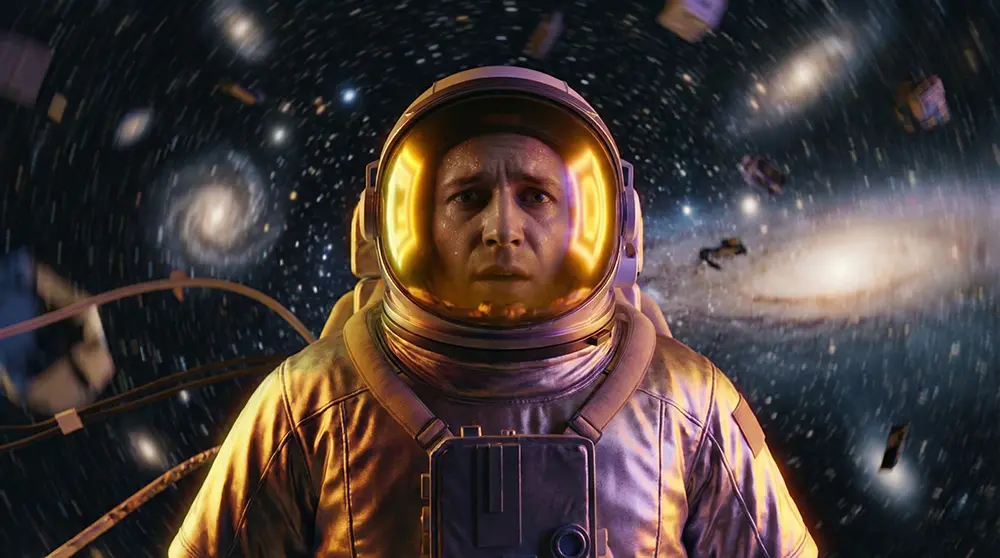
42. Snorricam Shot
Camera mounted on the actor’s body itself. Their features remain fixed while the background environment spins chaotically. Instantly reads as severe vertigo, panic, and dissociation from reality. Perfect for psychological breakdown scenes.
43. Split-Diopter Shot
Dual and impossible sharp focus on both a close element and a distant one simultaneously. Forces the mind to pay attention to two critically important events at the same time. Generates artificial tension and exceptional dramatic suspense.
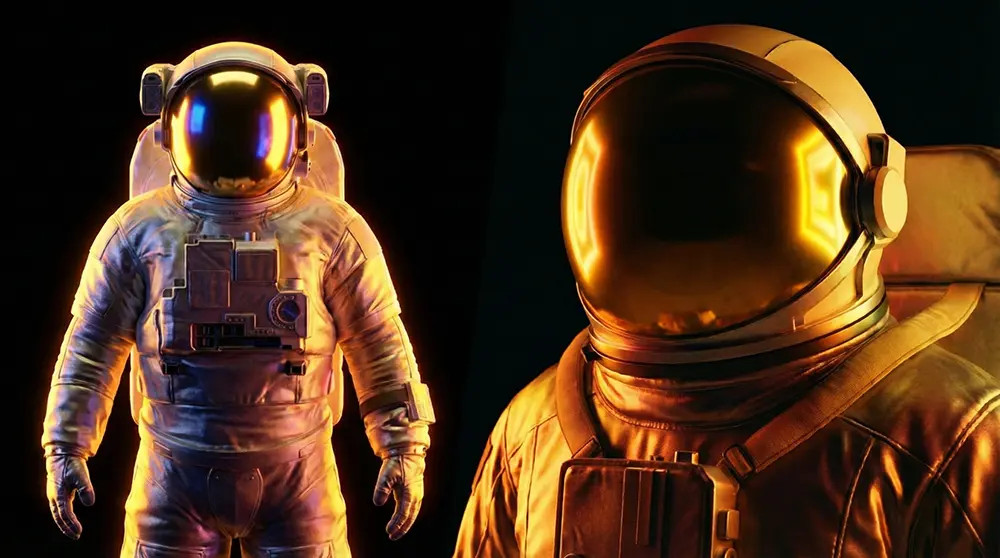
44. Forced Perspective
Physical depth tricks to make objects appear at illogical sizes. Like a giant person holding a tiny castle in their palm. A surreal effect used extensively in fantasy worlds to challenge visual assumptions.
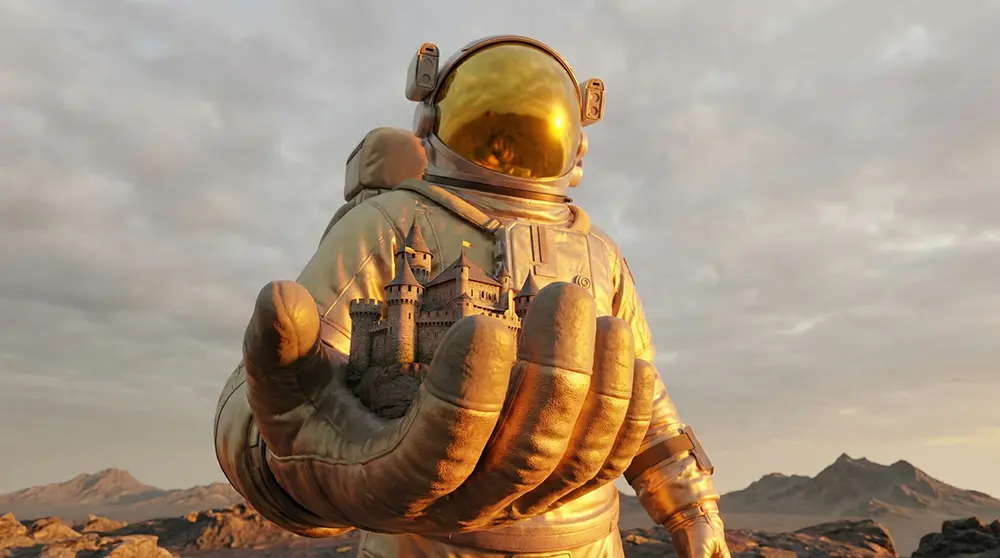
45. Fisheye Lens Shot
An ultra-wide lens producing exaggerated spherical distortion. Creates a sense of confusion, surveillance through a door peephole, or a bizarre visual hallucination. Common in skateboarding and music videos.
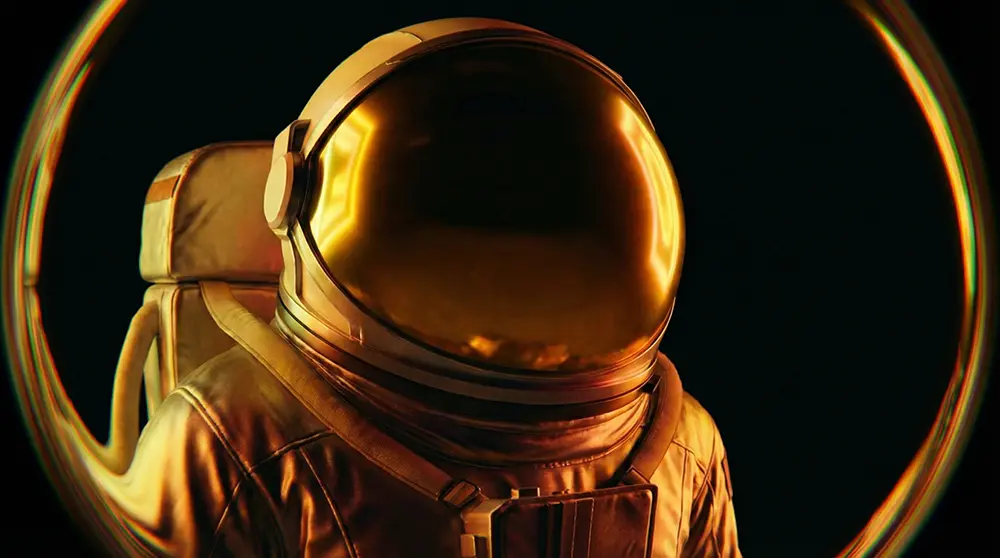
46. Tilt-Shift Shot
A tilted lens creates a narrow band of focus. Tricks the mind into believing the massive scene is merely a miniature city model (Diorama Effect). Transforms real cities into tiny toys.
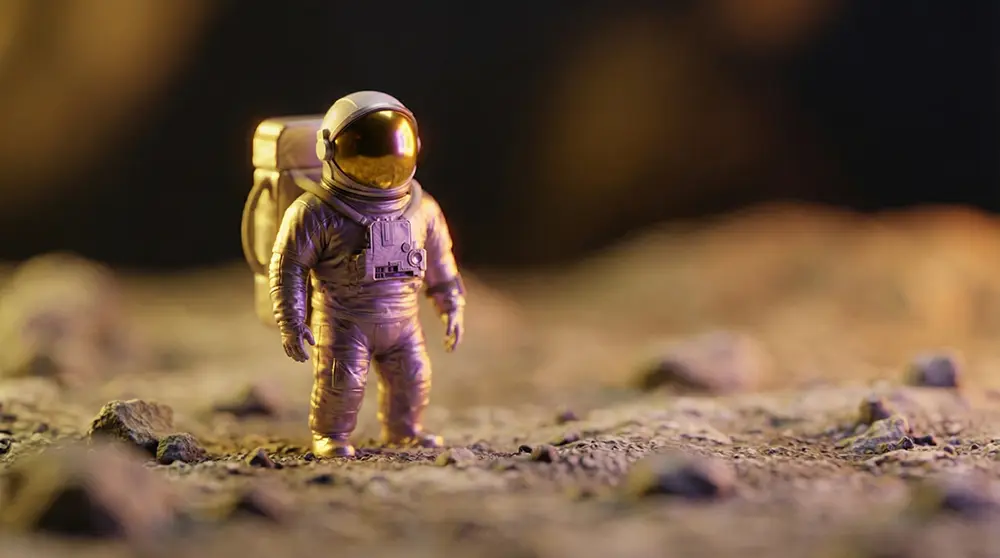
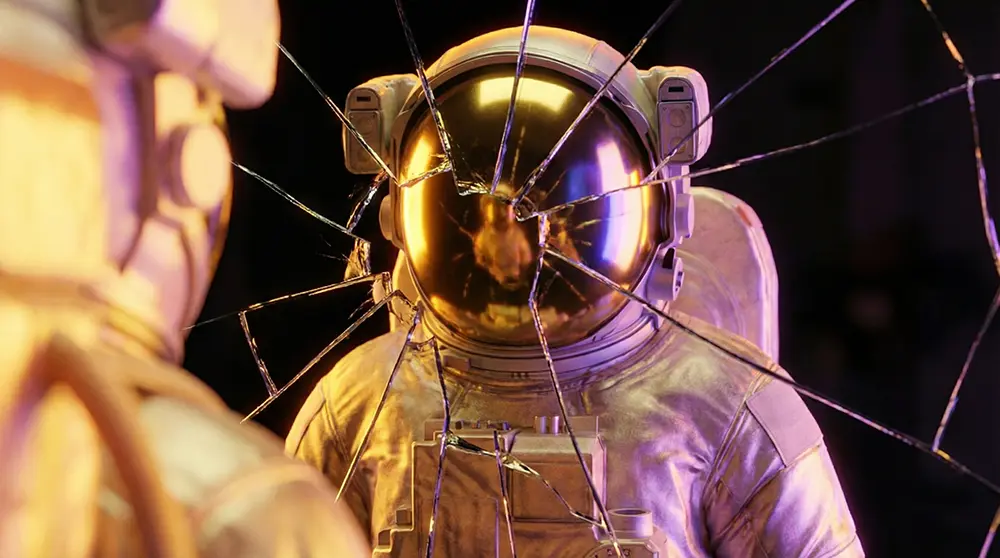
47. Reflection Shot
Shooting through a reflection on a mirror, water, or glass. Psychologically symbolizes duality of personality, illusions, and the search for self — like a detective’s face fractured in a shattered mirror.
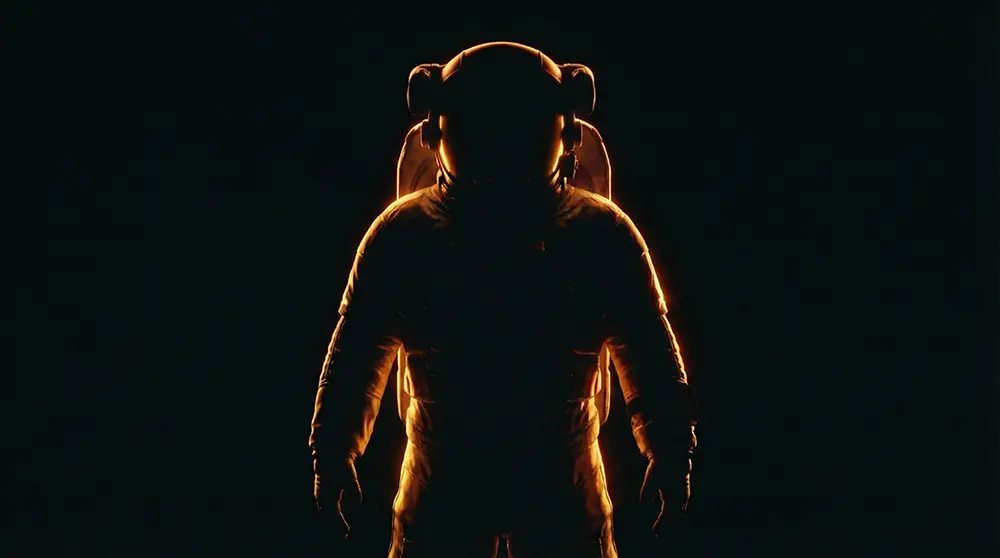
48. Silhouette Shot
Strong backlight with light blocked from the subject, turning them into a black shadow. Strips the character of their features to create maximum mystery, drama, and unknown threat.
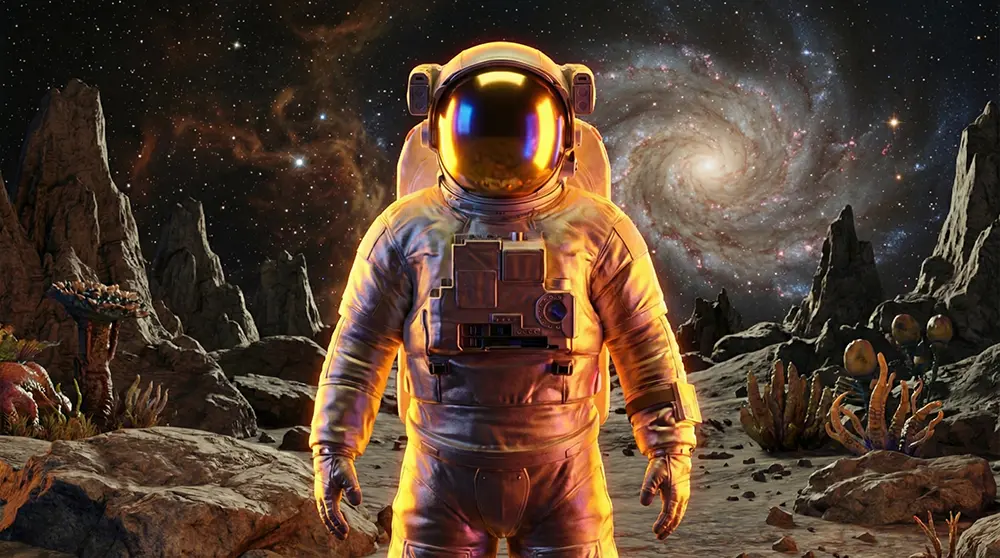
49. Deep Focus Shot
Everything from foreground to extreme background in peak sharpness. Forces the viewer to read every environmental detail to connect the character with their complete spatial context. Uses a narrow aperture like f/16.
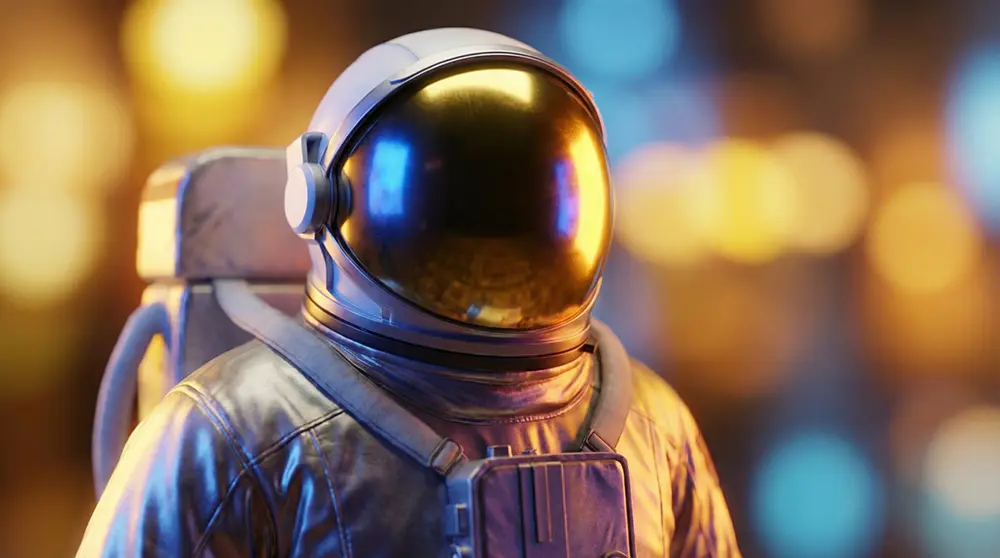
50. Shallow Focus / Bokeh
Total subject isolation via background blur with soft bokeh. Directs 100% of emotional attention toward facial features. Uses a wide aperture like f/1.2 or f/1.8.
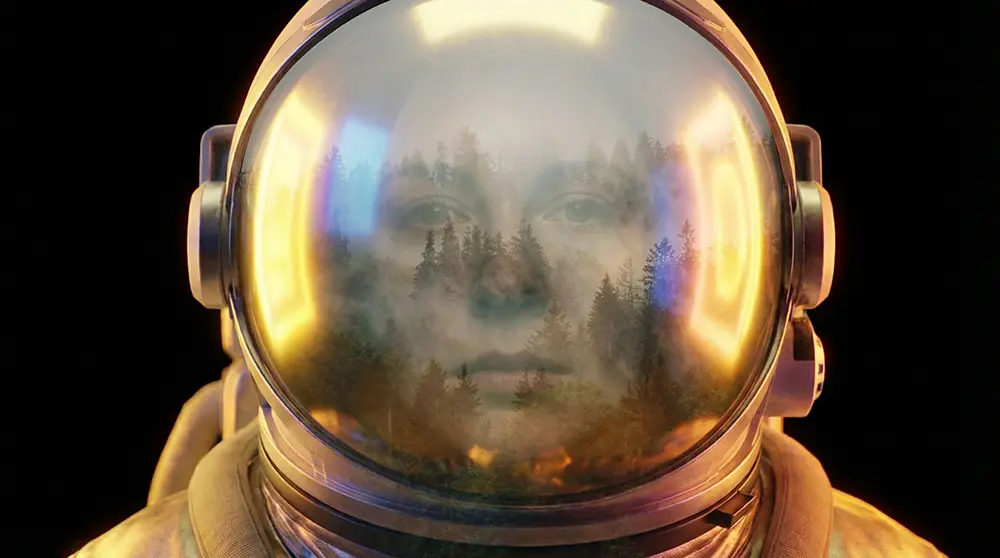
51. Double Exposure Shot
Merging two images into a single frame — like a person’s face blended with a foggy forest. A surreal technique reflecting overlapping thoughts, memories, and the soul’s connection to its environment.
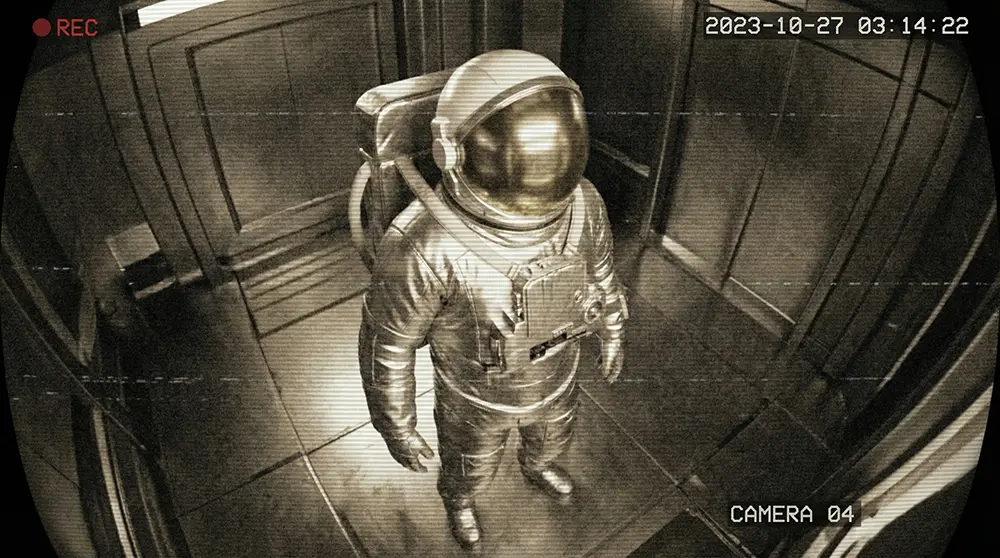
52. Surveillance / CCTV Angle
A distorted overhead angle with poor colors mimicking security cameras. Creates a feeling that the character is being watched, adding a disturbing documentary quality. Common in crime and suspense films.
Camera Angles & Shot Types — FAQ
What are camera angles?
Camera angles refer to the position and direction of the camera relative to the subject. The angle determines how the viewer perceives the subject — making it look powerful (low angle), vulnerable (high angle), or neutral (eye-level). In filmmaking and AI image generation, camera angles are one of the most important tools for creating emotional impact.
How many types of camera shots are there?
There are 13 main shot sizes (from Extreme Wide Shot to Microscopic View), 7 vertical angles (Low Angle, High Angle, Eye-Level, Dutch Angle, Worm’s-Eye, Bird’s-Eye, Overhead), and 20+ specialized techniques (POV, Over-the-Shoulder, Trunk Shot, etc.) — totaling over 50 distinct camera angles and shot types used in professional cinematography and AI art.
What is the difference between camera angles and shots?
Camera angles describe the vertical position of the camera (high, low, tilted, eye-level). Camera shots (also called shot sizes) describe how much of the subject appears in the frame (wide, medium, close-up). Together, camera angles and shots define the complete visual composition. For example, a “Low Angle Close-Up” combines both.
What are the different camera angles in photography?
The main photography angles include: Eye-Level (natural, trustworthy), Low Angle (power, dominance), High Angle (vulnerability, smallness), Dutch Angle (tension, unease), Worm’s-Eye View (dramatic, mythological scale), Bird’s-Eye View (surveillance, patterns), and Overhead/Top-Down (flat lay, product shots). Each photography angle creates a different psychological effect on the viewer.
What is a low angle shot used for?
A low angle shot places the camera below the subject looking upward. It’s used to make the subject appear powerful, dominant, and authoritative. In AI image generation, adding “low angle shot” to your prompt immediately transforms ordinary subjects into imposing, heroic figures. It’s one of the most popular camera angles in film and photography (10K-100K monthly searches).
What is a high angle shot?
A high angle shot places the camera above the subject looking downward. It makes the subject appear small, fragile, and vulnerable, giving the viewer a sense of superiority. In AI art, use “high angle shot” or “high angle photography” in your prompt to create sympathy or convey defeat. It’s the opposite of a low angle and equally powerful.
What are the best camera angles for AI image generation?
The most effective camera angles for AI tools like Google ImageFX, ChatGPT, and Midjourney are: Low Angle (for power), Dutch Angle (for tension), Close-Up (for emotion), Extreme Wide Shot (for epic landscapes), and Bird’s-Eye View (for patterns). The key is combining angle + shot size + lens specs in your prompt for cinematic results. For YouTube thumbnails specifically, see the guide to the best AI camera angles for YouTube thumbnails which covers the 5 angles that directly increase CTR.
What’s the best lens for each shot type?
- Wide shots (Wide, Establishing): 14-24mm lens
- Medium shots (Medium, Cowboy): 35-50mm lens
- Close-up shots (Close-Up, Portrait): 85-135mm lens
- Macro shots (Macro, ECU): 100mm Macro lens
Can I combine multiple camera angles in one prompt?
Absolutely! Combining is the secret to unique AI-generated images. For example: “Low Angle Close-Up” merges power with intimacy. “Dutch Angle Wide Shot” combines tension with scope. “Worm’s-Eye View Medium Shot” creates dramatic perspectives. Experiment with different camera angle combinations for results that stand out.
Conclusion: From Knowledge to Action
You now have a comprehensive reference for 50+ camera angles and cinematic shot types. Each angle carries a different psychological impact — from dominance to fragility, from mystery to intimacy.
Next step? Try applying 3-5 different angles to the same subject in your favorite tool. The results will amaze you.
💡 Pro tip: Don’t use the same angle every time. Variety in angles is what separates “good” images from “cinematic” ones.
Want ready-made prompts for all these angles? Get The AI Director’s Cheat Sheet - one PDF with 52+ cinematic prompts for just $4.99.
Explore the Full Cluster
- How to Write Camera Angle Prompts for AI Images - The universal formula and platform-specific syntax breakdown for Midjourney, SD, ChatGPT, and Flux
- How to Keep the Same Face Across Different AI Camera Angles - The complete solution to character consistency when switching perspectives
- Best AI Camera Angles for YouTube Thumbnails - The 5 angles that outperform eye-level in click-through rate tests